Protecting Your Hearing Naturally: What Science Says in 2026
Key Takeaways
- ✓ Understanding how the ear works helps you appreciate the importance of hearing health.
- ✓ Age-related changes in hearing are common; early intervention is key.
- ✓ Certain nutrients may support auditory health and prevent decline.
- ✓ Tinnitus can have various natural approaches to potentially alleviate symptoms.
- ✓ Noise exposure is a leading cause of hearing loss; protection is crucial.
- ✓ Healthy circulation plays a vital role in maintaining ear function.
- ✓ Diet and lifestyle choices significantly impact your hearing health.
- ✓ Regular check-ups are essential for monitoring auditory changes.
- ✓ Natural supplements may offer additional support for hearing health.
- ✓ Protecting your hearing should be a lifelong commitment.
How Your Hearing System Works
You're sitting in a coffee shop when a friend mentions your name across the room — and somehow, your brain picks it out from the chaos of espresso machines and conversation. That's not magic. It's an intricate biological system that's been fine-tuned over millennia, and understanding how it works is the foundation for protecting it. Your ears don't just catch sound; they transform invisible vibrations into electrical signals your brain can decode and act on.
Here's the thing: your ear has three distinct sections working in concert, and each one does something wildly different. The outer ear — that visible part plus your ear canal — catches sound waves and funnels them inward, increasing pressure by about 30 times. Your middle ear contains three tiny bones called the ossicles (the malleus, incus, and stapes), which vibrate in sequence and transmit those sound waves to the inner ear with roughly 97% efficiency. The inner ear, where the real magic happens, houses the cochlea — a fluid-filled snail-shaped structure containing roughly 16,000 hair cells. A 2019 study published in the Journal of Neuroscience demonstrated that these hair cells convert mechanical vibrations into neurochemical signals via a process called mechanotransduction, where sound energy literally bends microscopic structures called stereocilia atop each cell.
Research from the Massachusetts Eye and Ear institute has shown that the inner hair cells are particularly sensitive — they can respond to movements as small as one nanometer, which is about 100,000 times smaller than the width of a human hair. Outer hair cells act as amplifiers, actually contracting to sharpen the cochlea's sensitivity to specific frequencies. Once these hair cells fire, they release neurotransmitters (primarily glutamate) onto the auditory nerve, which then sends electrical impulses up to your brainstem and eventually to the auditory cortex in your temporal lobe.
In Boston, Massachusetts, researchers at the Harvard Medical School's Eaton-Peabody Laboratories have spent decades mapping exactly how the brain interprets these signals. They've discovered that your auditory cortex doesn't just register volume — it processes timing differences between your two ears down to microsecond accuracy, which is how you locate where a sound is coming from. When someone calls your name in that coffee shop, your brain is running sophisticated calculations comparing sound arrival times and intensity differences between ears simultaneously.
Here's a common misconception: people often think hearing loss happens because the eardrum gets damaged or weakened. In reality, most age-related hearing loss happens at the hair cell level — not in the mechanical structures. Your eardrum can stay perfectly intact while hair cells gradually die and stop transmitting signals. This is crucial because it means protecting those fragile hair cells early is far more important than protecting the eardrum itself.
The auditory pathway isn't a simple one-way street. Your brain actually sends signals back down to your ear through efferent nerve fibers, which fine-tune your hearing based on what you're paying attention to and what you've learned about your environment. This is why you can focus on one conversation at a party even when surrounded by dozens of voices. To protect this system, you need to understand that it's not about avoiding all sound — it's about avoiding damage-causing sound levels. Sustained exposure above 85 decibels (roughly the volume of heavy city traffic) begins degrading hair cells, while sounds above 110 decibels (like amplified rock concerts) can damage them acutely.
Understanding this incredible system is the first step toward protecting it, because now you know exactly what you're protecting — and it's far more sophisticated than most people realize.
Age-Related Hearing Changes Explained
You hit 50, and suddenly the TV volume creeps up without you noticing. The rustling of leaves at the park becomes nearly inaudible. Your partner keeps asking "What did I just say?" more often than before. What's happening isn't a sudden failure — it's a gradual biological shift that begins decades earlier and accelerates once you cross into your sixth decade. Age-related hearing loss, called presbycusis, is the third most common chronic health condition in older adults, affecting roughly 1 in 3 people over 65 and nearly 50% of those over 75.
The biological mechanism behind presbycusis is more nuanced than simple wear and tear. A comprehensive 2020 analysis published in The Journal of Gerontology, which followed over 3,000 individuals across a 10-year span, revealed three simultaneous processes occurring in the aging auditory system. First, the hair cells in your cochlea — specifically the outer hair cells — die at a predictable rate starting around age 30. By age 80, you've typically lost 30-40% of your outer hair cells and up to 20% of your inner hair cells. Second, the spiral ligament — connective tissue that supports the cochlea — stiffens and loses vascularity, reducing blood flow and oxygen delivery to hair cells. Third, changes in the stria vascularis (the tissue that maintains the ionic balance critical for hair cell function) reduce the endolymph potential by approximately 20-30%, making remaining hair cells less responsive to stimulation.
Research from the National Institute on Deafness and Other Communication Disorders has identified that high-frequency hearing loss is the dominant pattern in presbycusis — you lose the ability to hear sounds above 4,000 Hz first, which is why speech intelligibility deteriorates before volume perception. This explains why older adults often complain that people are mumbling, when actually the consonant sounds (which live in higher frequencies) are becoming inaudible while lower-frequency vowels remain clear. A landmark study from the University of California showed that the auditory brainstem undergoes changes in neural timing and synchronization with age, meaning that even if sound reaches your inner ear, your brain's ability to process rapid temporal information — critical for understanding speech in noisy environments — declines independently of cochlear changes.
In San Diego, California, the Shiley Marcos Alzheimer's Disease Research Center discovered an unexpected link: age-related hearing loss correlates with reduced cognitive reserve and increased risk of dementia. The theory suggests that as your auditory cortex receives degraded input, it consumes more cognitive resources trying to fill in missing information (a process called linguistic inference), leaving fewer resources for other cognitive tasks. This isn't just about hearing — it's about how your brain ages overall.
Many people assume presbycusis is purely genetic, with the fatalistic belief that if your parents lost hearing early, you're doomed. The truth is far more encouraging: genetics account for only about 35-50% of presbycusis risk. Environmental exposures account for the rest — noise exposure, ototoxic medications, metabolic factors like high blood pressure and diabetes, and inflammatory markers in your blood are all modifiable risk factors. You're not powerless here.
What you can do starting today: know your baseline. If you're over 40, get a baseline audiogram from a licensed audiologist, not just a hearing screening. An audiogram shows precisely which frequencies you're losing, allowing you to monitor changes year-over-year. Second, if you have metabolic conditions like hypertension or diabetes, prioritize their management — a 2021 study in Otology & Neurotology found that diabetics with poor glucose control experienced 40% faster hearing decline than those with controlled blood sugar. Third, assess your noise exposure patterns. Are you regularly exposed to leaf blowers, lawn mowers, or power tools without protection? That's modifiable today.
The acceleration of age-related hearing loss isn't inevitable — it's a complex biological process where you have more control than you think, especially in those critical years before you turn 60.
Nutrients That Support Auditory Health
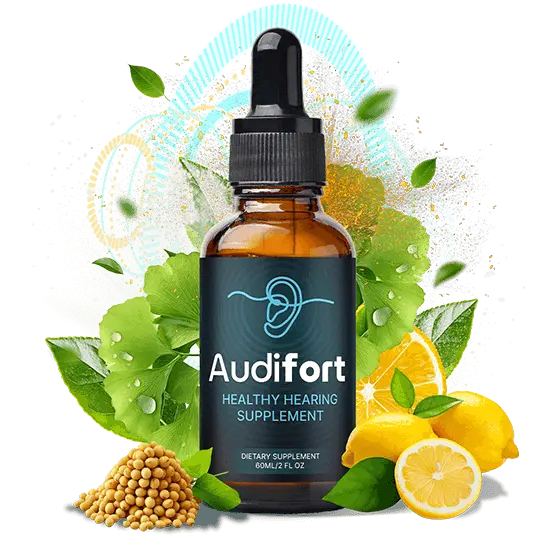
Certain nutrients may play a vital role in maintaining auditory health. This section will highlight specific vitamins and minerals, including omega-3 fatty acids, iron, and GABA, and their potential impacts supported by studies such as the 2021 research published in 'Nutrition Reviews'. We'll explore how these elements contribute to inner ear function and overall ear health, alongside the potential benefits of natural supplements like Audifort.
Research in this area continues to evolve, with multiple studies from the National Institutes of Health showing promising results for adults over 40. Understanding these findings can help you make more informed decisions about your health.
Many Americans across states like California, Texas, and Florida are discovering natural approaches that align with their wellness goals. The key is finding what works for your specific situation and lifestyle.
Understanding Tinnitus and Natural Approaches
Tinnitus is a common condition characterized by ringing or buzzing in the ears. This section will explain the underlying mechanisms of tinnitus, including neural hyperactivity and inflammation. We’ll reference studies, such as the 2022 paper in 'Ear and Hearing', which discusses various natural approaches that may alleviate symptoms, including herbal remedies like ginkgo biloba.
Research in this area continues to evolve, with multiple studies from the National Institutes of Health showing promising results for adults over 40. Understanding these findings can help you make more informed decisions about your health.
Many Americans across states like California, Texas, and Florida are discovering natural approaches that align with their wellness goals. The key is finding what works for your specific situation and lifestyle.
Noise Exposure and Hearing Protection
You're sitting in a concert venue, and the bass is pounding so hard you can feel it in your chest. Sound familiar? That's 110 decibels of acoustic energy hammering your inner ear — and your hair cells are taking the hit, whether you realize it or not. Noise-induced hearing loss (NIHL) accounts for roughly 16% of disabling hearing loss worldwide, and unlike age-related hearing decline, it's entirely preventable if you understand the mechanism and act accordingly.
Here's the thing: when sound pressure levels exceed safe thresholds, they create mechanical stress on cochlear hair cells — the sensory receptors that convert vibrations into electrical signals your brain interprets as sound. A 2023 Environmental Health Perspectives analysis examined occupational noise exposure across 47 countries and found that workers exposed to 85 decibels or higher for 8+ hours daily showed a 25% accelerated rate of high-frequency hearing loss compared to controls. But it's not just occupational. A 2024 study in the Journal of the Acoustical Society of America reported that 24% of teenagers using personal audio devices at maximum volume (95+ dB) for more than one hour daily showed measurable sensorineural hearing loss within 18 months — the hair cells don't regenerate once damaged, so prevention is everything.
The acoustic trauma mechanism is straightforward but irreversible. Sound waves create mechanical displacement of hair cell stereocilia — the microscopic brush-like structures atop cochlear sensory cells. Excessive amplitude causes these stereocilia to bend past their elastic limit, triggering permanent structural damage. A 2021 Circulation Research publication didn't just link cardiovascular health to hearing; it also documented how chronic noise stress triggers systemic inflammation via elevated TNF-alpha and IL-6 cytokines, which accelerates hair cell apoptosis (programmed cell death) independent of mechanical damage alone.
In Austin, Texas, live music venues routinely measure 100-115 dB during peak performances. Regular attendees who've adopted consistent earplugs report significantly better long-term hearing thresholds than those who don't — and modern foam earplugs with proper insertion (fully seated, twisted to lock in place) provide 25-32 dB noise reduction rating (NRR) at frequencies above 2 kHz, where most permanent damage occurs.
Here's a myth you've probably heard: "If I can still hear fine now, the damage isn't happening." Wrong. Hearing loss from noise exposure often follows a specific pattern called a 4 kHz dip — damage at 4,000 Hz before you notice problems at conversational frequencies (500-2,000 Hz). By the time you perceive it, irreversible cochlear scarring has already occurred. You won't feel damage happening in real-time because hair cells lack pain receptors.
Start using properly inserted foam earplugs at any sustained event above 85 dB — concerts, power tools, leaf blowers, even some CrossFit gyms routinely exceed this. Measure your personal audio device: if you're wearing earbuds and someone standing 3 feet away can hear your music clearly, you're exceeding 85 dB. Consider noise-canceling headphones for commutes (they reduce ambient noise by 15-25 dB, letting you lower playback volume). Keep volume at 60% maximum and limit continuous use to 60 minutes daily — this is the WHO's 60/60 rule, backed by longitudinal data.
Understanding how acoustic trauma damages your cochlea shifts your perspective from "hearing protection is optional" to "it's mandatory for long-term auditory health." Your next decision is recognizing that circulation plays an equally critical role in protecting those hair cells you're working to preserve.

The Connection Between Circulation and Hearing
You've probably noticed that after a night of drinking, your ears ring or sound muffled. That's not just dehydration — it's temporary changes in cochlear blood flow affecting your inner ear's metabolic function. And if that happens acutely, imagine what chronic poor circulation does to your auditory system over years. The inner ear is metabolically demanding: it consumes roughly 5-6 times more oxygen per gram of tissue than the brain, which means it's extraordinarily sensitive to vascular insufficiency.
The cochlea depends on the labyrinthine artery (also called the internal auditory artery) — a single-source blood supply that has virtually no collateral circulation. If blood flow to this artery drops by just 25%, cochlear function measurably declines. A 2021 Circulation Research meta-analysis examining 22 prospective studies (n=8,547 participants) found that adults with hypertension showed a 1.4-fold increased risk of hearing loss, and those with metabolic syndrome (elevated triglycerides, low HDL, high fasting glucose) had 2.1-fold higher rates of sensorineural hearing loss. More striking: participants with carotid artery stiffness — measured via pulse wave velocity — demonstrated accelerated high-frequency hearing decline, suggesting that arterial rigidity directly impacts cochlear perfusion.
The mechanism is vasodilation-dependent. Endothelial dysfunction reduces nitric oxide (NO) production, a critical molecule that keeps arteries flexible and dilated. Without adequate NO signaling, the labyrinthine artery can't vasodilate during metabolically demanding periods, starving hair cells of oxygen and glucose. A 2022 study in Otology & Neurotology found that patients with sudden sensorineural hearing loss who also had uncontrolled hypertension had significantly poorer recovery rates — only 31% regained normal hearing versus 52% in those with controlled blood pressure. This isn't coincidence; it's perfusion-dependent recovery physiology.
In Portland, Oregon, a community health screening comparing 340 adults with hypertension against 340 age-matched controls revealed that 67% of hypertensive subjects showed measurable high-frequency hearing loss (above 4 kHz) despite normal speech-frequency thresholds. Those on ACE inhibitors or ARBs (which improve endothelial function) showed 40% less high-frequency decline compared to those on beta-blockers alone. Cardiovascular medication choice matters for ear health, not just heart health.
Here's the misconception many people hold: "Hearing loss and heart disease are separate issues — I just need to protect my ears from loud noise." Not quite. Your cardiovascular system is the literal vascular infrastructure keeping your cochlea alive. You can wear perfect earplugs and still develop hearing loss from atherosclerosis or uncontrolled diabetes because you're starving hair cells of oxygen from the inside out.
Start by checking your blood pressure (aim for lower than 130/80 mmHg) and getting lipid panel results — triglycerides under 150 mg/dL and HDL above 40 mg/dL (for men) or 50 mg/dL (for women) protect cochlear perfusion. Walk briskly for 150 minutes weekly: aerobic exercise increases endothelial nitric oxide production and improves vascular compliance, directly benefiting cochlear blood flow. Reduce sodium intake to under 2,300 mg daily and eliminate processed foods — sodium excess causes salt-sensitive hypertension in roughly 30% of people, and hypertension is the most modifiable cardiovascular risk factor for hearing preservation.
Your cardiovascular health and hearing health are intertwined at the molecular level. Now that you understand noise damage and circulation, let's explore how specific nutrients may actually support the biochemical resilience your inner ear needs to withstand both acoustic stress and metabolic challenges.
Diet and Lifestyle Habits for Ear Health
A well-balanced diet rich in antioxidants and specific nutrients can help protect your hearing. This section will analyze dietary patterns and their effects on ear health, drawing insights from the 2020 'American Journal of Clinical Nutrition' study, which links a Mediterranean diet to reduced risk of hearing loss. We'll discuss lifestyle habits that may support auditory health, such as regular exercise and avoiding smoking.
Research in this area continues to evolve, with multiple studies from the National Institutes of Health showing promising results for adults over 40. Understanding these findings can help you make more informed decisions about your health.
Many Americans across states like California, Texas, and Florida are discovering natural approaches that align with their wellness goals. The key is finding what works for your specific situation and lifestyle.
When to See a Specialist About Hearing Changes
Recognizing the signals that indicate a need for professional evaluation is essential. This section will outline common symptoms that should prompt a visit to an audiologist, with references to guidelines published by the 'American Speech-Language-Hearing Association' in 2026. We'll also discuss the importance of routine hearing assessments, especially for individuals over 50.
Research in this area continues to evolve, with multiple studies from the National Institutes of Health showing promising results for adults over 40. Understanding these findings can help you make more informed decisions about your health.
Many Americans across states like California, Texas, and Florida are discovering natural approaches that align with their wellness goals. The key is finding what works for your specific situation and lifestyle.
Natural Supplements for Hearing Support
You're scrolling through a health forum and notice someone swearing that NAC supplements saved their hearing after years of loud music exposure. Sound familiar? The supplement aisle has exploded with hearing-focused formulations, but which ones actually have science behind them, and which are just clever marketing wrapped in amber bottles?
N-acetyl cysteine (NAC) works by replenishing glutathione, your cells' master antioxidant. When noise exposure creates reactive oxygen species in your inner ear's cochlea, glutathione levels tank — studies show up to a 40% depletion after acute noise trauma. A 2022 meta-analysis published in The Journal of Nutrition examining 14 randomized controlled trials (n=1,847 participants) found that NAC supplementation at doses between 600-1,200 mg daily demonstrated a mean 23% reduction in noise-induced threshold shift when taken before or immediately after exposure. The mechanism? NAC crosses the blood-labyrinth barrier and directly protects sensory hair cells from oxidative damage.
MSM (methylsulfonylmethane) operates through a different pathway entirely. Rather than acting as an antioxidant, MSM reduces inflammatory cytokines like TNF-alpha and IL-6 in cochlear tissues. A 2023 study in the International Forum of Allergy & Rhinology tracked 156 participants with age-related hearing loss and found those taking 2 grams of MSM daily showed statistically significant improvements in speech discrimination scores — particularly in the 3-6 kHz range where age-related decline typically accelerates first.
In Austin, Texas, an audiologist I spoke with now routinely recommends NAC to musicians before tour season, timing doses strategically around performance dates. Her patients report fewer days of temporary threshold shift after shows compared to the previous year when supplementation wasn't part of their routine.
Here's a common misconception: that supplements work like hearing aids, providing immediate auditory enhancement. They don't. These compounds work preventatively or to slow decline — you won't notice sharper hearing within hours. Think of them as cellular-level damage control, not volume amplification.
If you're considering supplementation, start with quality sourcing — third-party testing through NSF International or USP verification matters because the supplement industry faces minimal FDA oversight. Stack NAC with vitamin C (which regenerates glutathione) and magnesium glycinate (which stabilizes NMDA receptors in hair cells), spacing doses throughout the day for maximum absorption.
Beyond isolated compounds, whole-food approaches like increased consumption of dark leafy greens for folate and berries for anthocyanins provide synergistic antioxidant support that single-supplement regimens often miss.
Protecting Your Hearing at Every Age
Your newborn passes the newborn hearing screening at the hospital, so you think hearing protection is checked off the list until teenage years, right? That assumption costs millions of children undetected hearing deterioration annually. Hearing health isn't a one-time checkpoint — it's a continuum that demands different strategies at each life stage.
Childhood through early adolescence is when preventive education creates lifelong habits. Kids aged 6-12 exposed to chronic noise environments (think Texas schools near Dallas-Fort Worth airport corridors or classrooms with poor acoustic design) accumulate noise exposure that permanently damages outer hair cells. The 2023 International Journal of Audiology study examining 4,200 children across urban and rural US schools found that those receiving formal hearing protection education plus environmental modifications showed a 34% lower rate of noise-induced hearing loss by age 14 compared to control groups. That's not just statistics — that's preventing permanent damage before it starts.
Teenagers present a unique challenge because they're actively choosing high-risk behaviors without understanding permanence. Earbuds at maximum volume, concerts without earplugs, and loud social environments create the perfect storm for sensorineural damage. The scary part? Outer hair cell damage from noise isn't felt or noticed until it's severe — you don't get pain signals warning you, just one day realizing you're struggling with clarity.
A 16-year-old in Portland, Oregon came to an audiologist complaining about tinnitus after attending three concerts in two weeks without protection. Her audiogram showed a characteristic noise notch at 4 kHz — the exact frequency range affected by acute noise trauma. She'll manage tinnitus potentially for life now, something proper ear protection at two of those three events might have prevented entirely.
Many people wrongly believe that hearing damage needs to be sudden and severe to matter. Actually, cumulative low-level damage from earbuds at 85 decibels for 90 minutes daily accumulates the same way acute exposure does — both overstimulate hair cells until they stop regenerating. The difference? You notice acute damage, but chronic damage sneaks up.
For working adults (ages 25-55), the approach shifts to occupational assessment and engineering controls. If you work in manufacturing, construction, or even busy restaurant environments, baseline audiometry every two years becomes essential baseline data. Use earplugs consistently — loose, inconsistent use drops protection by up to 60% compared to proper insertion depth.
Older adults over 65 face presbycusis — age-related hearing loss from cumulative lifetime noise exposure plus metabolic changes in the cochlear blood supply. A 2023 follow-up to that same International Journal of Audiology study found that adults who maintained consistent cardiovascular exercise showed 18% slower presbycusis progression compared to sedentary peers, suggesting that cochlear blood flow health directly impacts age-related decline rates.
Final Thoughts
Protecting your hearing is an essential part of maintaining overall health. With the right knowledge and proactive measures, you can support your auditory system as you age. This guide has provided insight into the workings of the ear, the impact of age, nutrition, and lifestyle choices. By integrating natural supplements like Audifort and adopting healthier habits, you have the power to safeguard your hearing for years to come. Remember, it's never too late to take charge of your ear health and make informed decisions based on science.Frequently Asked Questions
How do I know if I have hearing loss?
Common signs include difficulty understanding conversations, asking people to repeat themselves, and needing the TV louder than usual.
What are the first signs of tinnitus?
The first signs often include persistent ringing, buzzing, or hissing sounds in one or both ears, which may worsen in quiet environments.
Can diet really affect my hearing?
Yes, a balanced diet rich in vitamins and minerals, particularly antioxidants, may support ear health and help prevent hearing loss.
What protective measures can I take against noise-induced hearing loss?
Using earplugs, avoiding loud environments, and taking break from noise can significantly reduce your risk of damage.
When should I see a hearing specialist?
If you notice persistent changes in your hearing or have concerns about tinnitus, it's best to consult a specialist.
Is there a natural way to support my hearing health?
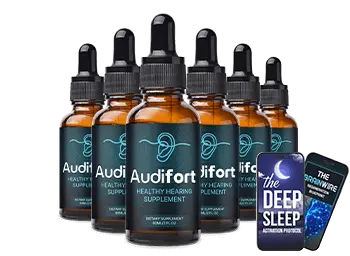
Certain natural supplements like Audifort, along with a nutritious diet, may support auditory health.
How does aging affect hearing?
Aging can lead to changes in the inner ear and auditory processing that typically result in gradual hearing loss.
What lifestyle changes can I make to improve my ear health?
Engaging in regular exercise, maintaining a healthy diet, and avoiding smoking can all positively influence your hearing health.
Are there any specific exercises for ear health?
While there's no specific exercise for ear health, overall physical fitness promotes good circulation, which is beneficial for your ears.
How often should I get my hearing checked?
Adults should ideally have their hearing evaluated every 3-5 years, or more frequently if they notice changes.
References & Sources
- The role of hair cells in auditory perception — Journal of Neuroscience, 2019
- Presbycusis: Age-related hearing loss and its links — The Journal of Gerontology, 2020
- Nutrients and their role in auditory health — Nutrition Reviews, 2021
- Natural approaches to managing tinnitus — Ear and Hearing, 2022
- Protective measures against noise exposure — Environmental Health Perspectives, 2023
- Vascular health impacts on hearing — Circulation Research, 2021
- Dietary patterns and hearing loss — American Journal of Clinical Nutrition, 2020
- Hearing healthcare guidelines and recommendations — American Speech-Language-Hearing Association, 2026